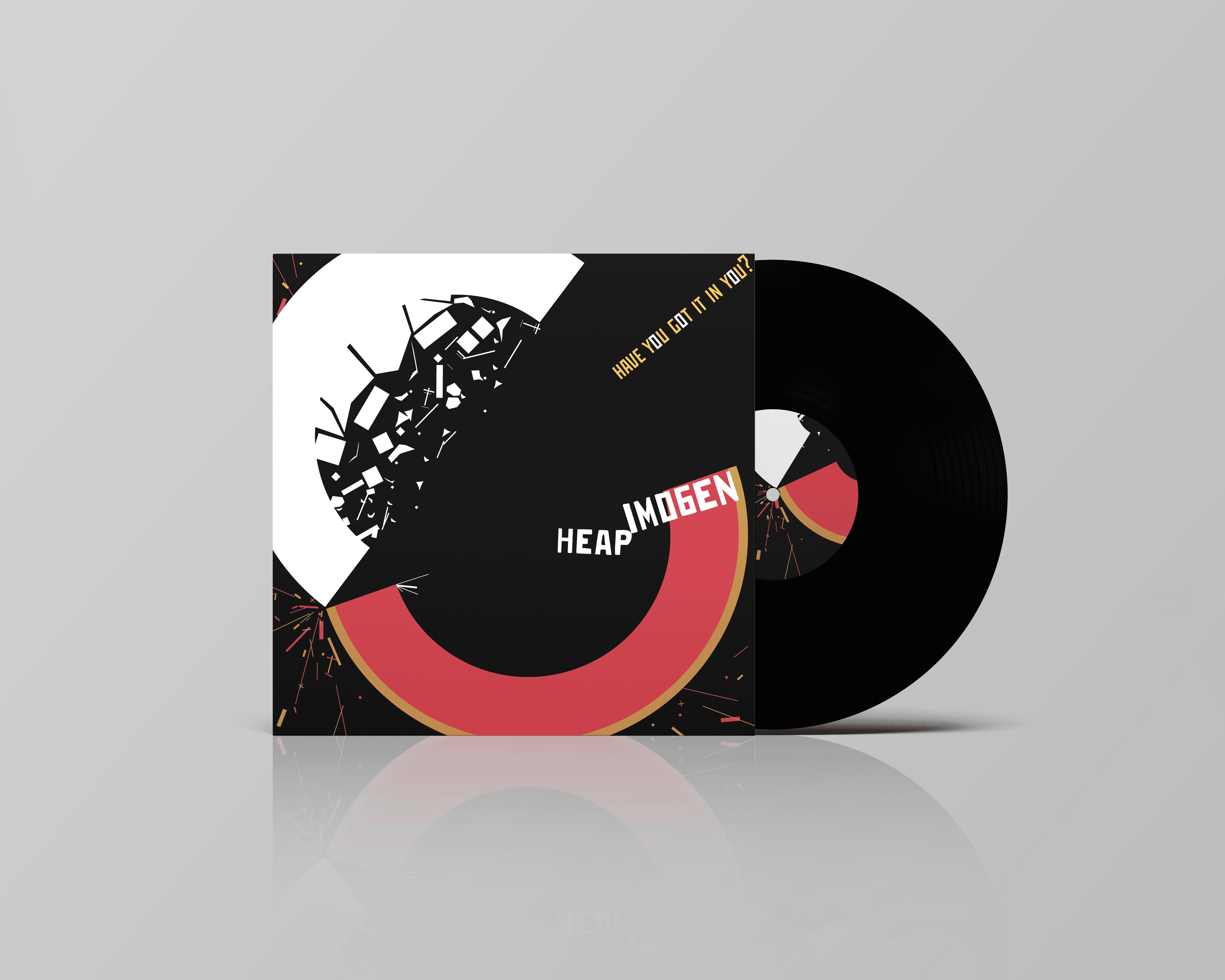
Reinterpreting Imogen Heap’s experimental sound through a bold constructivist lens on an album cover.
Published:
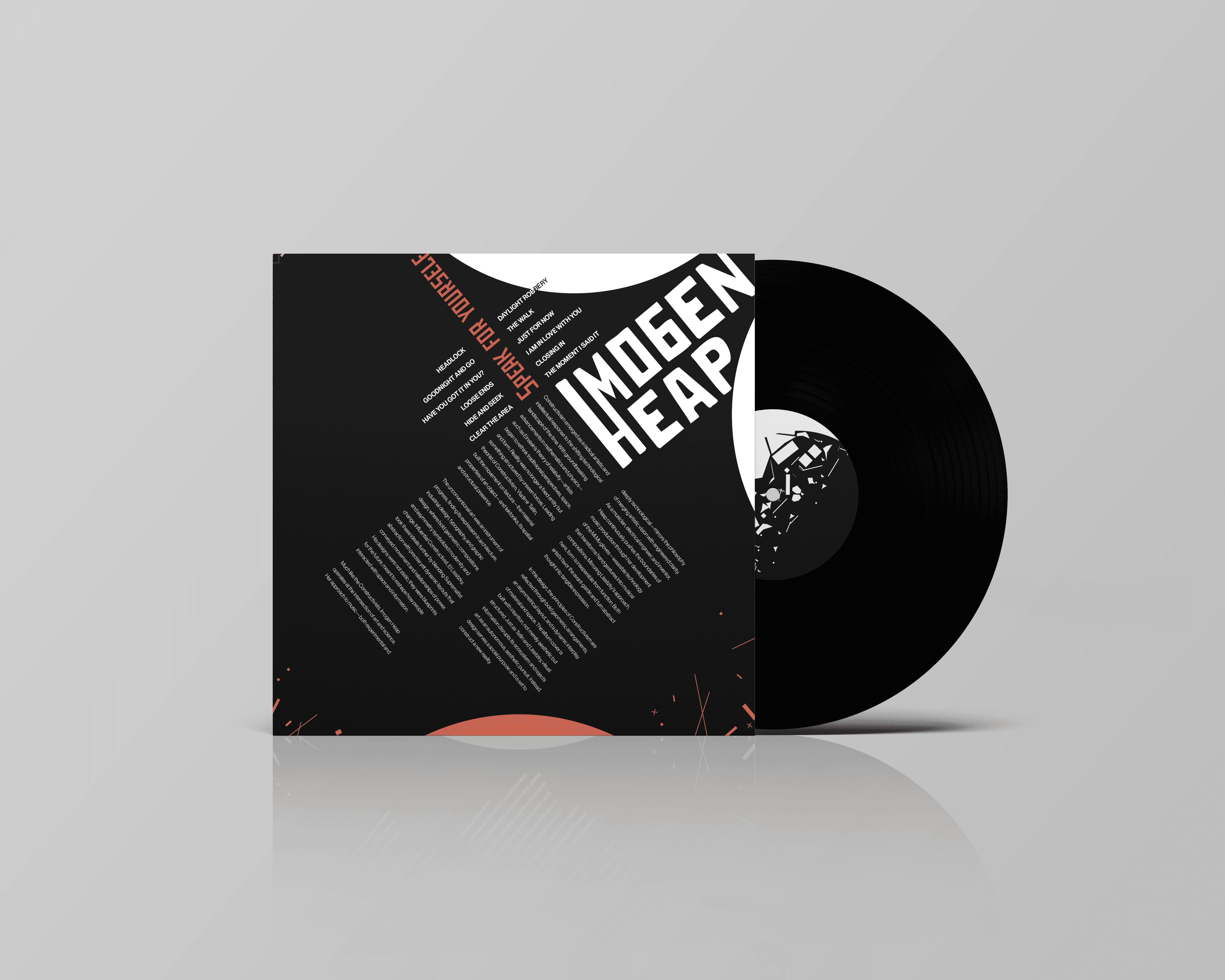
Constructivism emerged as a radical artistic and intellectual response to the shifting technological landscape of the time. With groundbreaking advancements in mathematics and physics—such as Einstein’s theory of relativity—artists began to rethink traditvional perspectives, space, and form. Reality was no longer a fixed entity but something structured by unseen forces. Leading theorist of Constructivism, Vladimir Tatlin, built the movement on faktura—the material properties of an object—and tektonika, its spatial and structural presence.
The unconventional art was an instrument of progress, finding its expression in architecture, industrial design, typography, and graphic design, where bold geometric compositions and asymmetry symbolized modernity and change. Influential Constructivist, El Lissitzky, took these ideals further by blending Suprematist abstraction with precise yet dynamic layouts that conveyed movement and relationships of power. His designs were not static; they were blueprints for the future, meant to reshape how people interacted with space and information.
Much like the Constructivists, Imogen Heap operates at the intersection of art and science. Her approach to music—both experimental and deeply technological—mirrors the philosophy of merging artistic vision with engineered clarity. As a musician, electrical engineer, and inventor, Heap continuously pushes the boundaries of music production through her development of the Mi.Mu gloves—wearable technology that transforms hand gestures into musical compositions. Mirroring Lissitzky’s approach, here, form is inseparable from function. Both artists favor the avant-garde and turn abstract thought into tangible expression.
In this design, the principles of Constructivism are reflected through bold geometric arrangements, an asymmetrical layout, and a dynamic interplay of material and space. The album cover is built with intention, not merely aesthetic but structured. Just as Tatlin and Lissitzky, visual information disrupts its ecosystem and rejects art as an autonomous, aesthetic pursuit. Instead, design serves a social purpose and is set to construct a new reality.